Explore Japan
Cities, mountains, food, culture - Japan has all of it. We build your trip around whichever parts speak to you most.
“Each day is a journey and the journey itself home.”
— Matsuo Bashō, 1702There's a reason Japan tends to sit near the top of most people's bucket lists, and it's rarely just one thing. It's the way a country can hold neon-lit cities and silent mountain shrines in the same trip, sometimes the same day, without either feeling out of place. At Summit & Sea, we love building trips here because Japan rewards whatever kind of traveller you are — whether that's someone chasing the perfect bowl of ramen, someone who wants to hike a centuries-old pilgrimage trail, or someone who just wants to sit in a hot spring and do nothing at all.
Driven by passion
The cities: energy with order
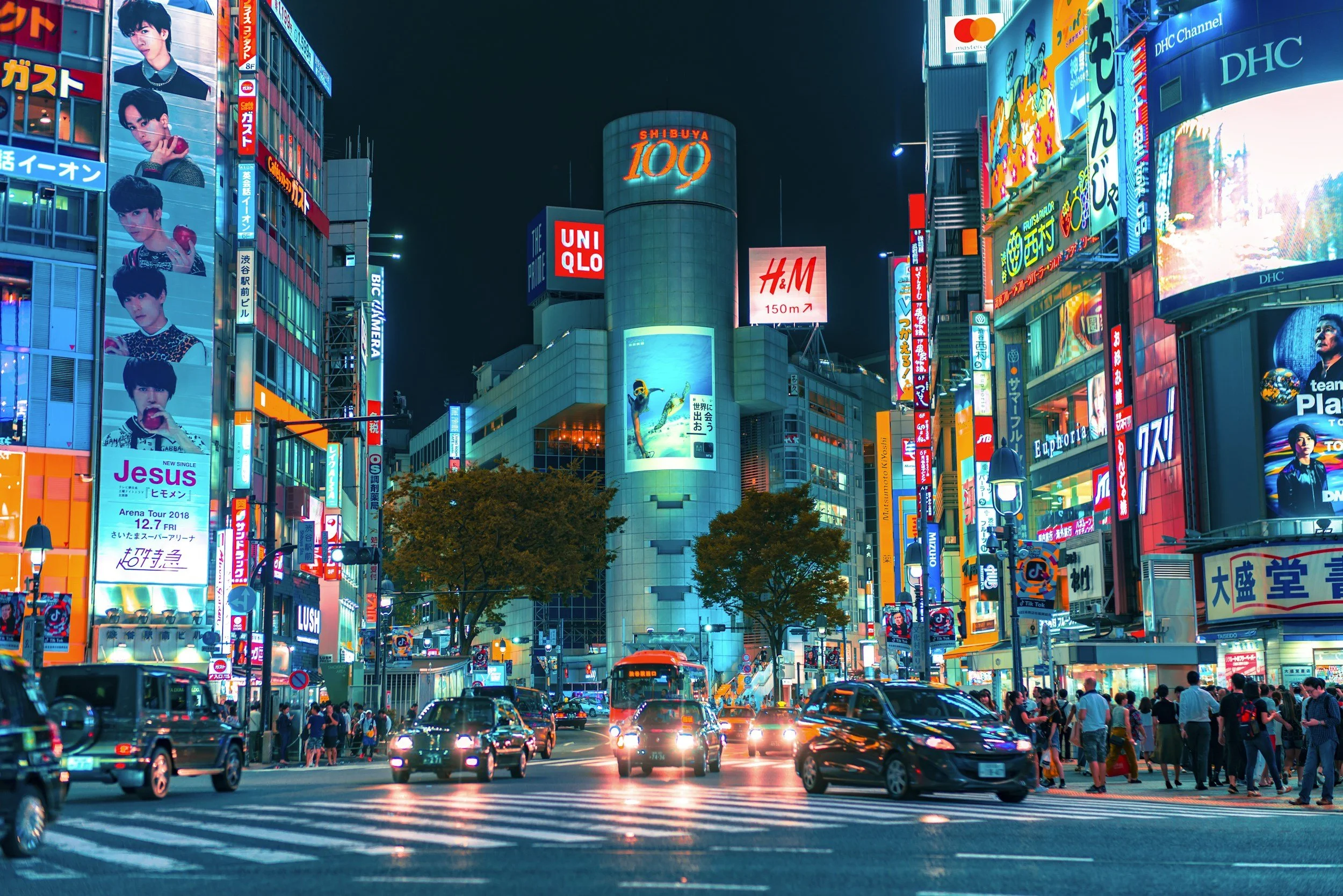
Tokyo is the obvious starting point for most trips, and it earns its reputation. It's a city of scale — the busiest train stations in the world, entire neighbourhoods built around a single obsession (electronics, vintage fashion, ramen), and a dining scene that ranges from a standing-room sushi counter to some of the most awarded restaurants on the planet. What surprises most first-time visitors isn't the size of Tokyo, it's how calm it feels despite it. Trains run on time, streets are spotless, queues are orderly. It's chaos with excellent manners.
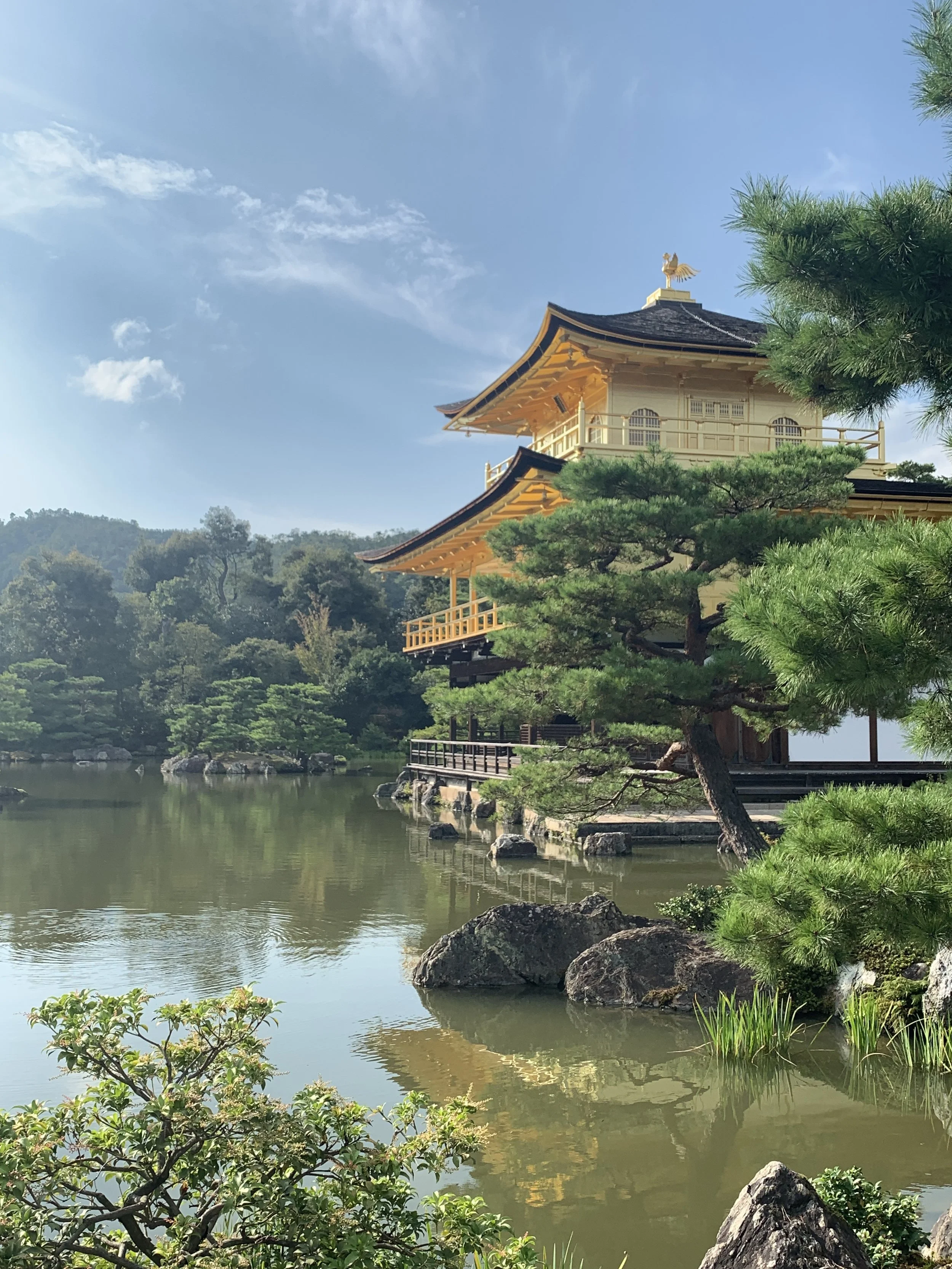
Osaka, a couple of hours away by train, is Tokyo's looser, hungrier cousin — famous across Japan for its street food and a slightly more informal, come-as-you-are energy. Kyoto, meanwhile, is where the country slows right down. This was Japan's capital for over a thousand years, and it shows in the number of temples, shrines and traditional wooden streets still standing. It's the place most people picture when they think of "old Japan," and it's worth giving it more time than a rushed day trip allows.
The mountains and the quieter Japan
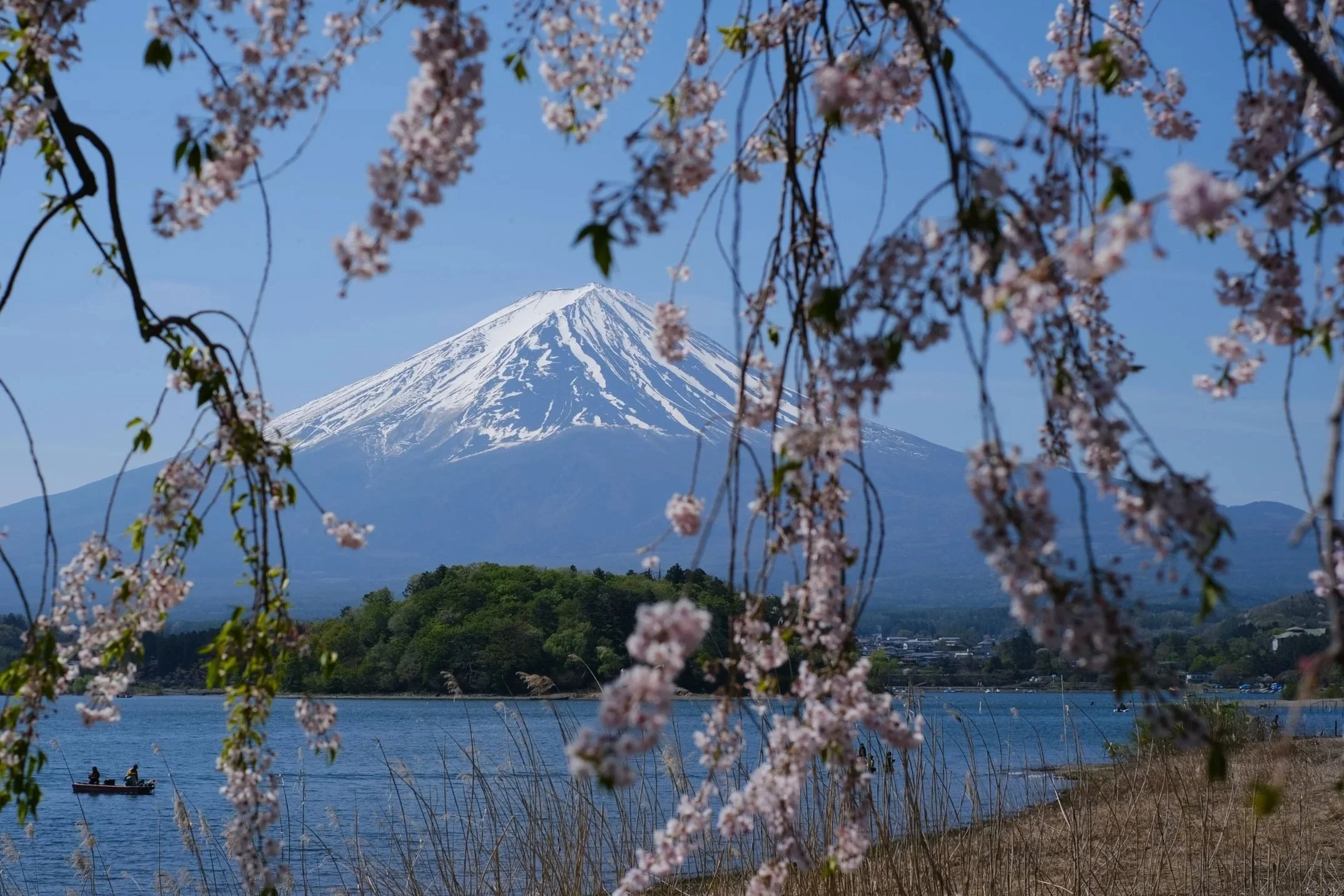
Step outside the cities and the pace changes completely. The Japanese Alps run through the centre of Honshu, the country's main island, and offer some genuinely wild hiking and postcard-perfect mountain towns, often only a couple of hours from Tokyo by train. Hakone, sitting in the shadow of Mount Fuji, is the classic spot for this — come on a clear day and the views across Lake Ashi to Fuji's snow-capped peak are the sort of thing that makes people book a return trip on the spot.
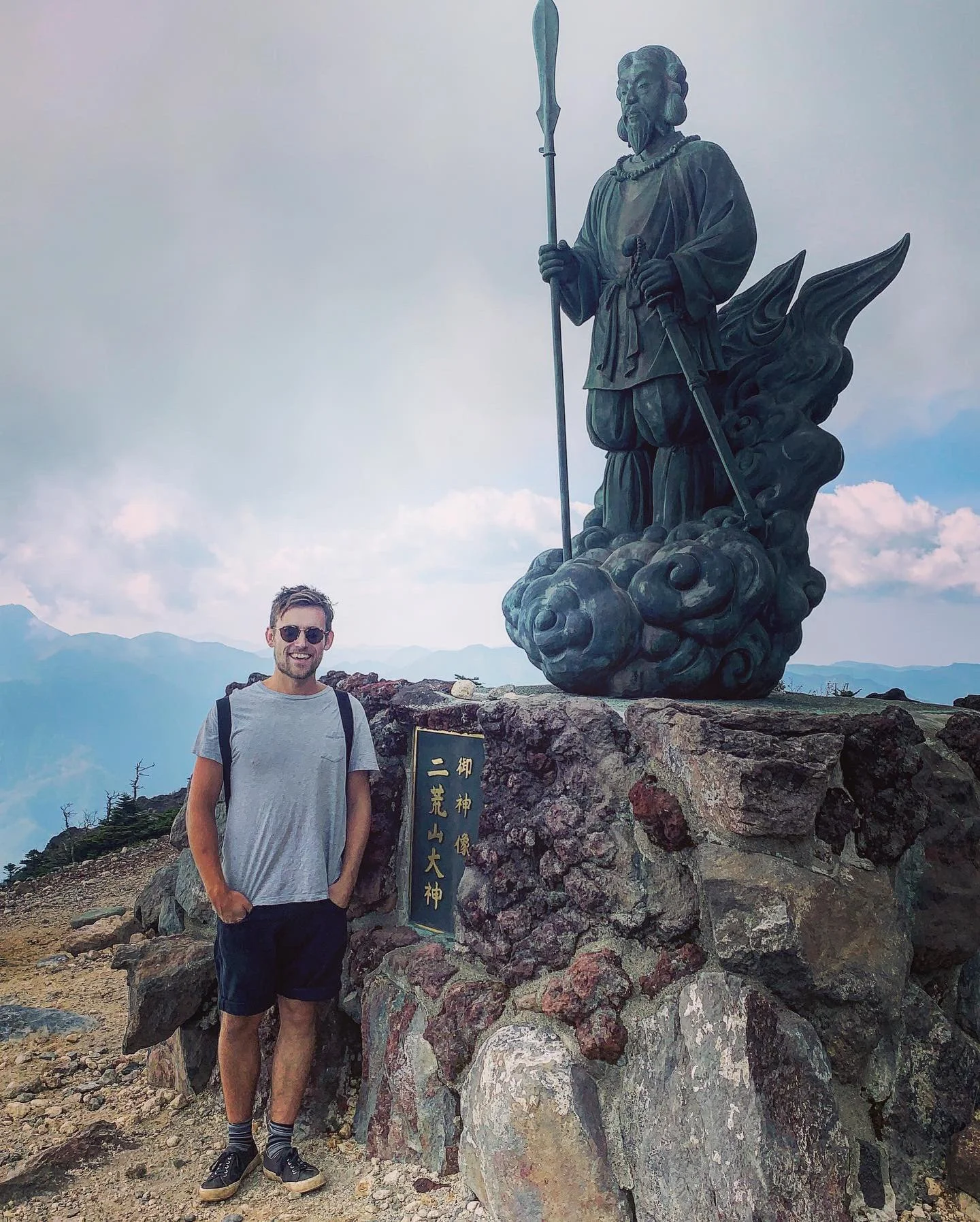
For something less on the well-trodden path, the walking routes around Mount Koya and the wider Kii Peninsula are a genuinely special way to experience Japan's spiritual side. Pilgrims have been making this journey on foot for over a millennium, moving between remote temples and shrine complexes tucked into dense forest, and walking even a section of it gives you a real sense of why it's held such significance for so long. It's about as far from Tokyo's neon as Japan gets, and for us, that contrast is exactly what makes the country such a compelling one to build a trip around.
Food as culture, not just cuisine
You can't talk about Japan without talking about food, and it goes far beyond sushi. Each region has its own specialities — Osaka's street food, Kyoto's refined kaiseki tradition, Hokkaido's seafood — and the range across the country is enormous, from tucked-away izakaya bars to Michelin-starred counters where you're seated for two hours and served courses you didn't know existed. Eating well in Japan isn't really optional; it's baked into how the country experiences itself, and it's often the thing our clients talk about most once they're home.
Ryokans: the slow, deliberate side of Japanese hospitality
If there's one experience we'd nudge almost every client towards, it's a night or two in a ryokan — a family-run inn tradition going back several centuries, originally built as resting places for travelling samurai and nobility. It's a completely different style of hospitality to a hotel: simple tatami rooms, your own onsen (hot spring bath) to soak in, and a multi-course evening meal that changes with the season and can run for a couple of hours. There's no television, no rush, nothing to check — it's less a stopover and more a deliberate pause built into the middle of your trip. We usually recommend one or two nights — any more and the lack of modern comforts can wear a little thin, but as a contrast to city life, it's hard to beat.
Getting around: the bullet train
Part of what makes Japan so easy to move through, even across a country of this size, is the shinkansen network. First introduced back in the 1960s, it now links almost everywhere worth visiting, and it's not unusual to be doing well over 150mph without so much as a rattle. It's clean, punctual to the minute, and genuinely enjoyable to ride; unwrapping a station-bought bento while the countryside slides past the window is one of those small pleasures people don't expect to miss. It also means a trip that mixes cities, mountains and coastline doesn't have to feel like a logistical headache — a well-planned route can move you from Tokyo's density to a quiet mountain ryokan in a matter of hours.
Why Japan works so well as a bespoke trip
What makes Japan such a rewarding place to plan for is exactly this range of contrasts — you can build a trip that's almost entirely food-focused, one that's built around hiking and mountain scenery, one centred on culture and temples, or a proper mix of all three. There's no single "right" way to see the country, which is really the whole point of building it around how you actually want to travel, rather than a set list of stops everyone else takes too.
If Japan's on your radar, we'd love to help shape a trip around it — get in touch and we can start talking through what a Japan trip could look like for you.
Summit & Sea — Adventures Worth Chasing