Cape Town & The Winelands
British led, South African born.
Cape Town is where Summit & Sea is based. We know it because we live it.
Every day.
Cape Town & The Western Cape: Our Home Turf
Cape Town is where Summit & Sea is based, so this is the one part of the world we don't need reference material for — we know it because we live in it. And the honest answer to "what should I do in the Western Cape?" is always the same: more than most people plan for. Mountains, ocean, wine, and a string of small towns each with a completely different character, all within a couple of hours of each other.
Cape Town
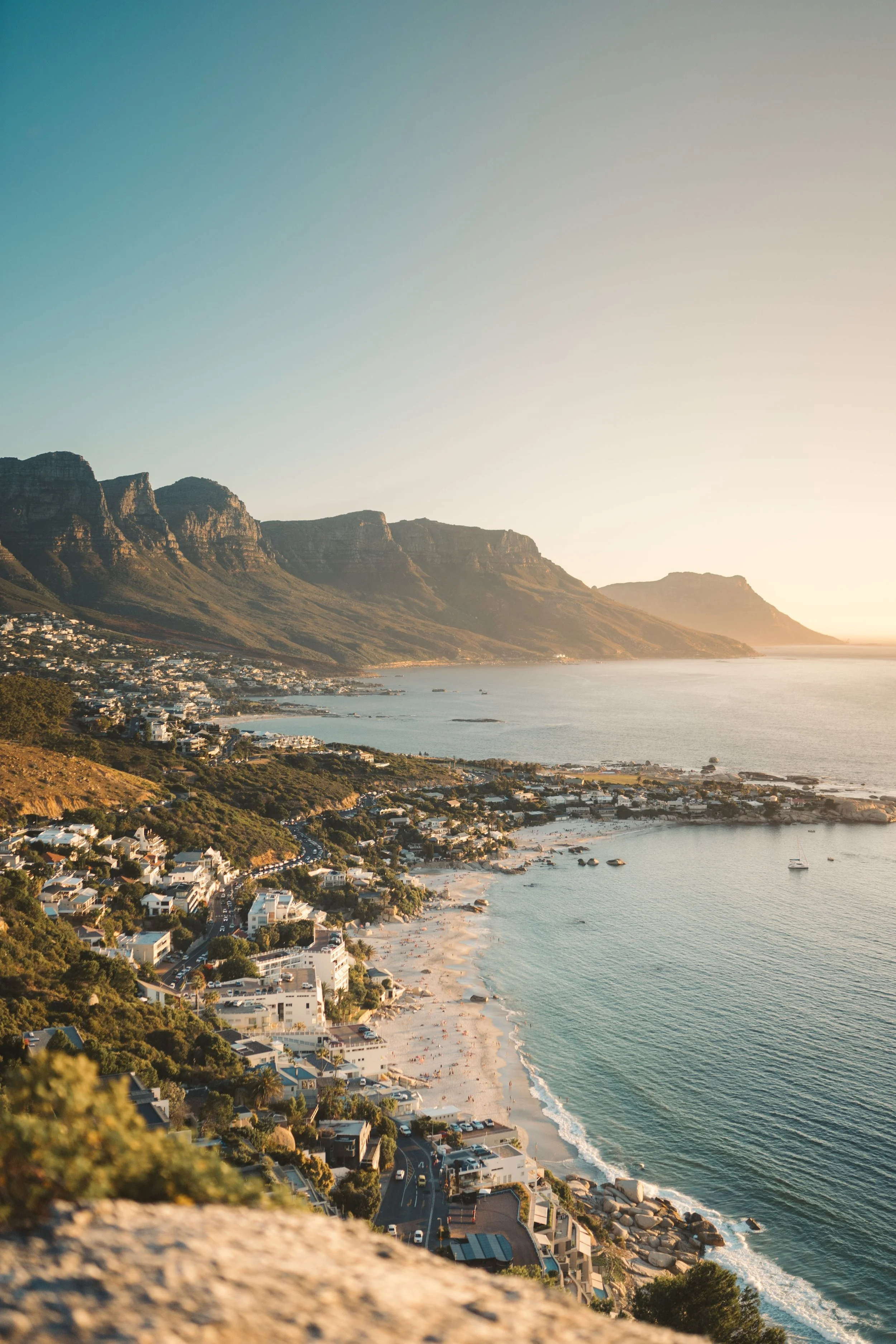
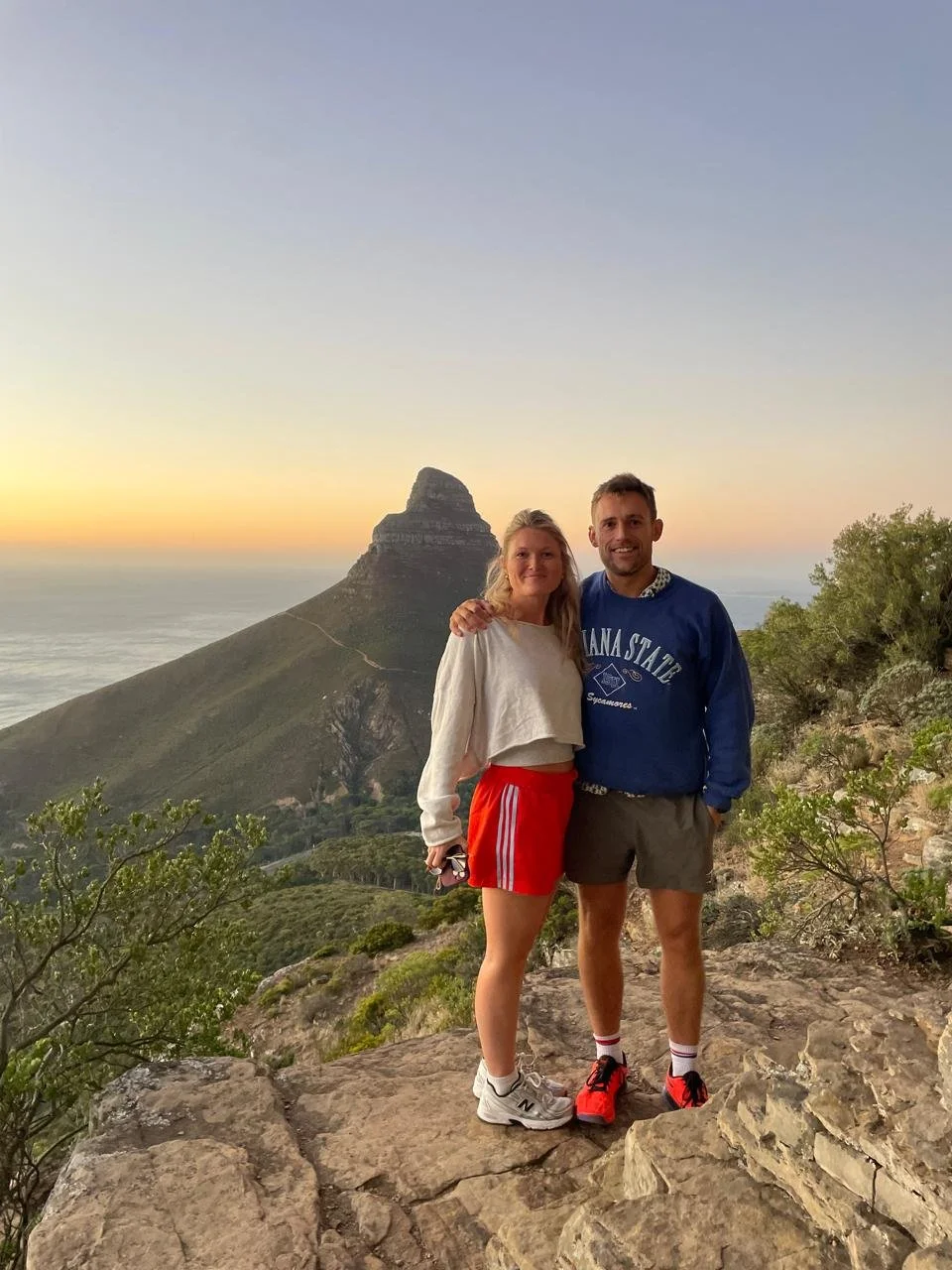
The city does a lot in a small space. Table Mountain sits over everything, Camps Bay and Clifton give you the postcard beaches, and the Cape Peninsula drive down to Cape Point is one of the best half-days you can spend anywhere in the world. That said, Camps Bay's main road can get pretty tourist-heavy, and it's not somewhere we'd recommend spending too much time. For genuinely good food, Kloof Street and Bree Street are where it's at - this is where the locals actually eat, and it's some of the best restaurant territory the city has to offer.
It's worth pushing past the obvious beach spots too - Kalk Bay, on the other side of the mountain, has a slower, saltier pace than the glossier beaches get credit for. Muizenberg, a little further round, is more of a surfing town than a beautiful one, but it's a good spot to rent a board and get in the water if that's what you're after.
Where you stay matters here, and Cape Town has some genuinely exceptional options. The Silo, part of the Royal Portfolio, sits above the Zeitz MOCAA museum in the old grain silo building at the V&A Waterfront - striking architecture, and one of the more distinctive luxury stays on the continent. The Dorp is a smaller, design-led alternative with real character. And the Mount Nelson has been Cape Town's grand dame since 1899 - pink walls, palm-lined driveway, and a sense of occasion that newer hotels can't quite manufacture. All three do very different things well, so which one we recommend depends entirely on what kind of trip you're building.
One of Cape Town's best wine farms is right on the city's doorstep in Constantia. Chefs Warehouse at Beau Constantia is a standout: a tasting-menu format built around sharing plates, paired with the estate's wines and some of the best views over the valley you'll find anywhere in the Cape. It's the kind of lunch that's worth building a whole afternoon around.
Franschhoek & Stellenbosch
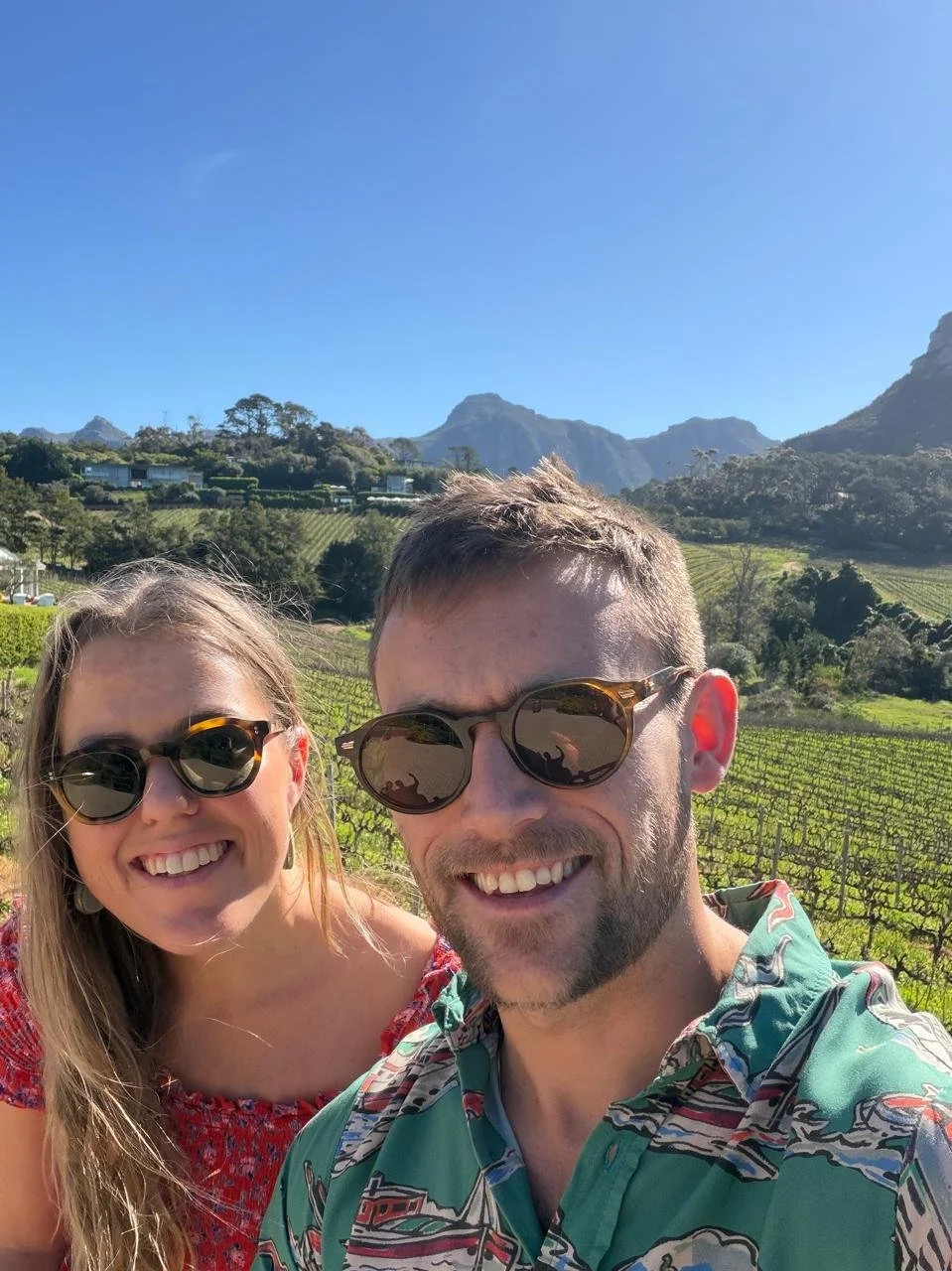
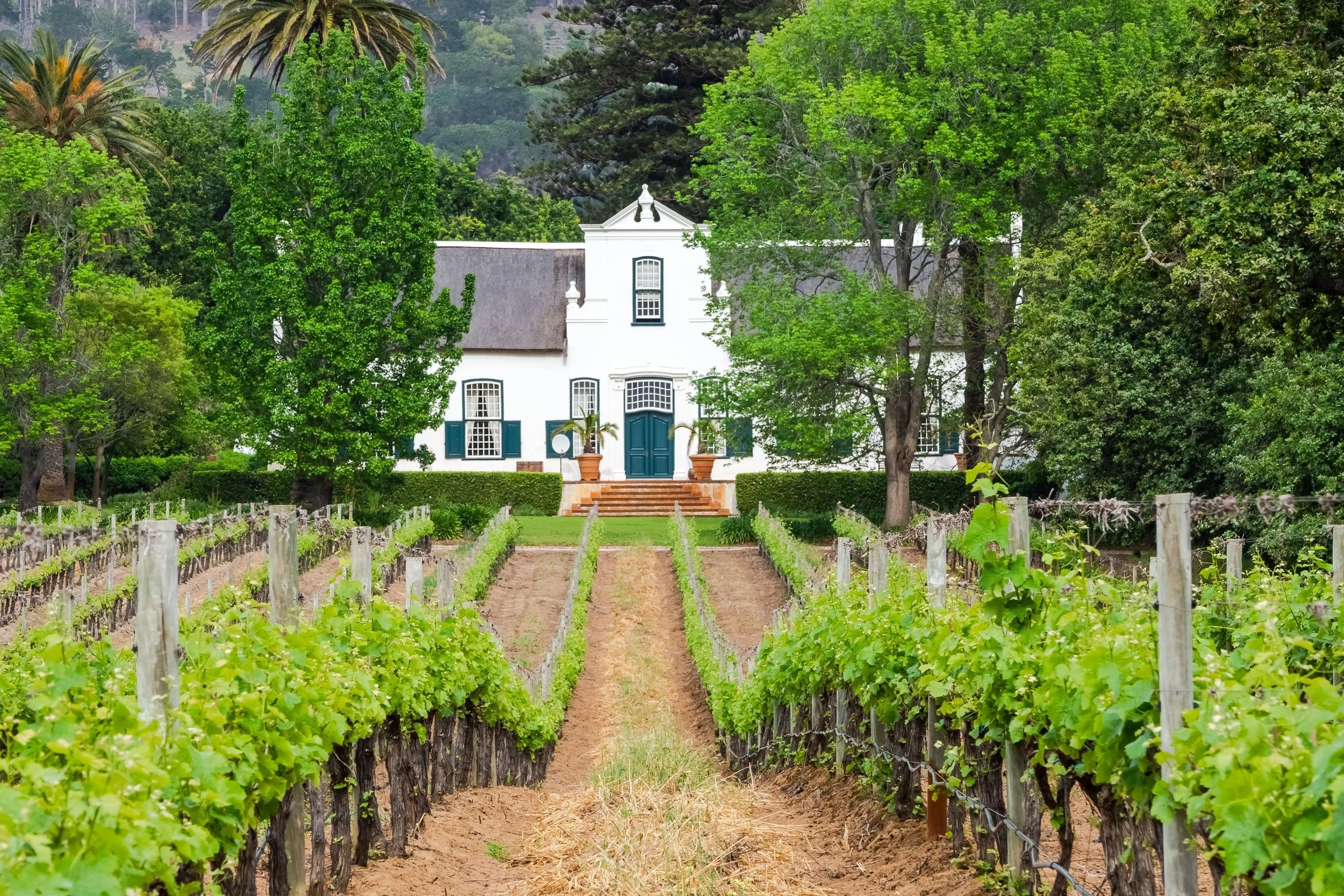
The Winelands are the natural next stop, and Franschhoek and Stellenbosch remain the heart of it. Stellenbosch has the university-town energy and some of the oldest estates in the country; Franschhoek, a little further on, has a French Huguenot history, a food scene that punches well above its size, and estates like Babylonstoren and La Motte that are as much about the setting and the gardens as the wine itself. Both towns reward slowing down - a lunch that turns into an afternoon, a cellar tour that turns into a tasting you didn't plan for.
Paternoster
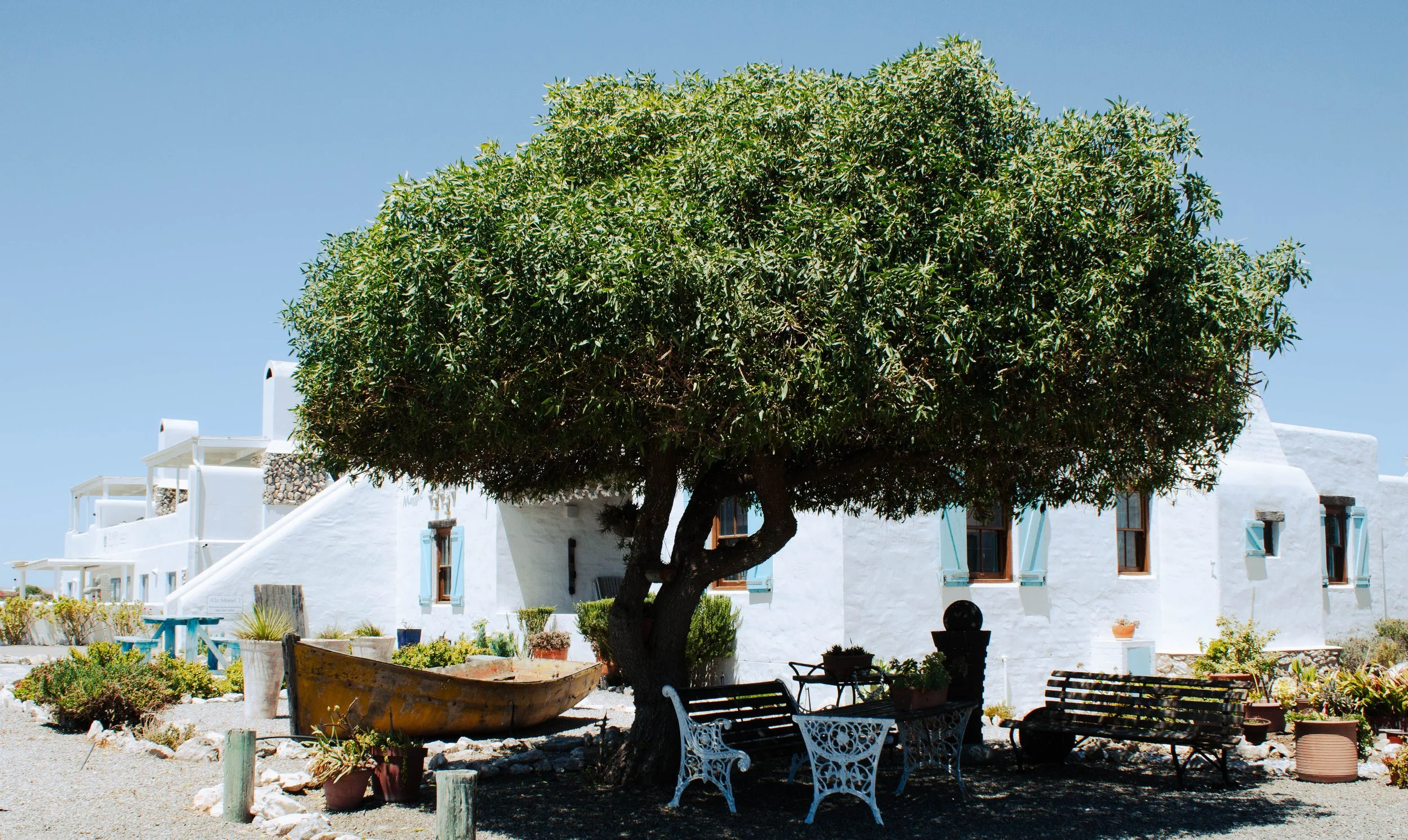
An hour and a half up the West Coast, Paternoster is a different kind of place entirely - a small, whitewashed fishing village with a laid-back, unpretentious feel and a restaurant scene that has quietly become one of the best in the country. Wild Peacock and Wolfgat (when you can get a table) draw people up the coast on their own merit. It's the kind of spot we send guests who want the beach without the polish - long walks, good seafood, early nights.
Hermanus & Stanford
East along the coast, Hermanus is worth a mention as one of the larger seaside towns in the Cape - well known for land-based whale watching in season, with a proper town centre and enough restaurants, shops and life going on for guests who want a bit of hustle and bustle alongside their coastal days. For a luxury stay here, Birkenhead House, also part of the Royal Portfolio, is the standout - a clifftop position looking straight out over the whale-watching coastline, and every bit as considered as its sister properties in Cape Town.
For guests after something quieter, Stanford, a short drive inland from Hermanus, is worth knowing about. It's a small, peaceful town on the Klein River with none of Hermanus's bustle, but still close enough to the coast to have it on hand when you want it - a good option for anyone who'd rather spend their evenings somewhere properly calm.
Elgin Valley
Less well known than Franschhoek or Stellenbosch, and that's rather the point. Elgin is a cooler-climate wine region tucked into the mountains between Cape Town and the coast, known for apples as much as Chardonnay and Pinot Noir. It's quieter, greener, and a good choice for guests who want the Winelands experience without quite so much traffic through it.
Greyton & McGregor
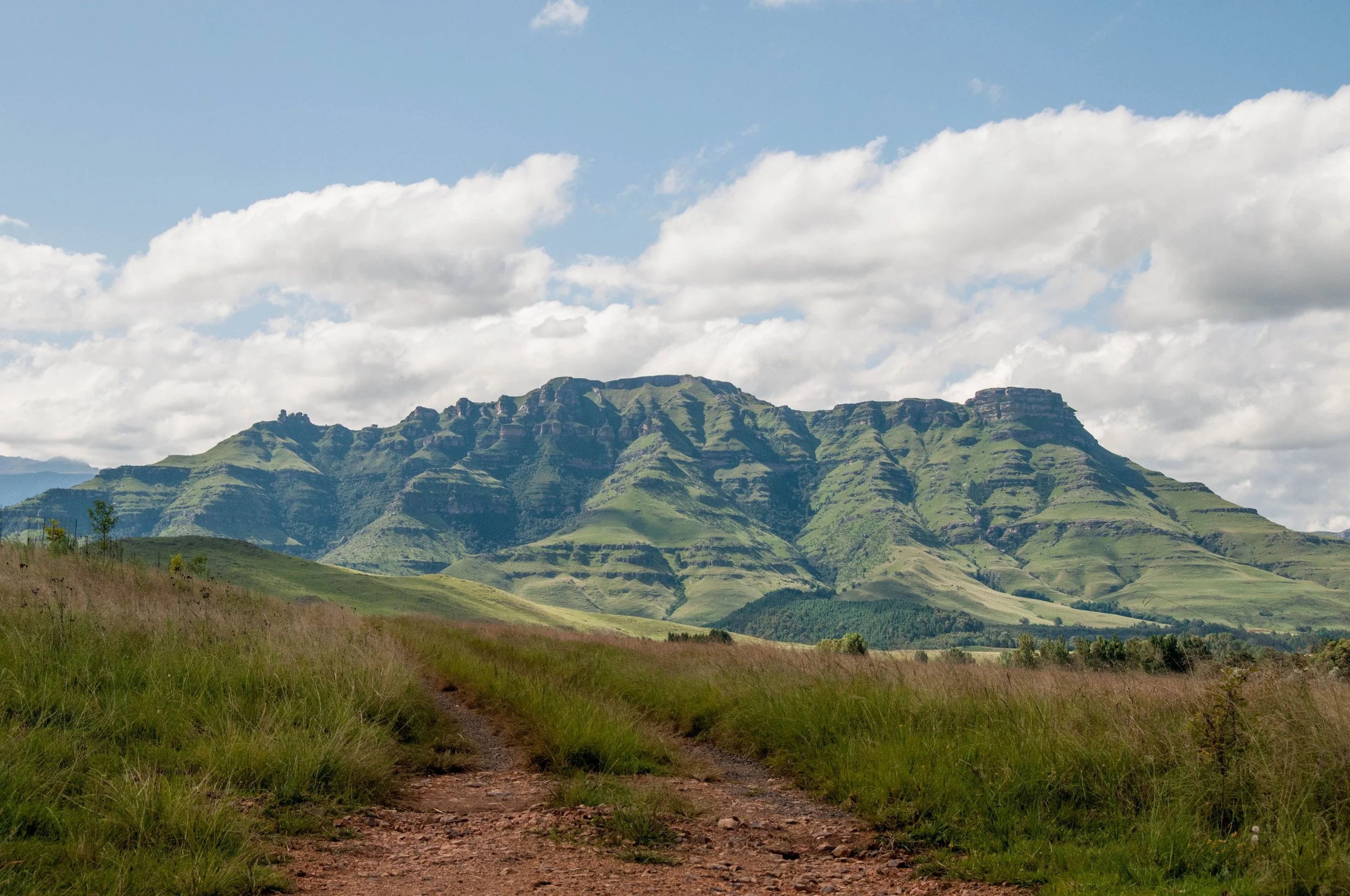
Further off the beaten track, Greyton and McGregor are two small towns tucked against the Riviersonderend mountains, each with a strong sense of place and very little pretension. Greyton has oak-lined streets and a proper village feel; McGregor, a little further on, is even smaller and quieter, with a handful of excellent small wine producers and a strong local, unhurried character. These are the towns we point guests toward when they've done the well-known circuit and want something that feels more like discovering somewhere for themselves.
Why this is our home turf
The Western Cape works because it doesn't ask you to choose - mountains one day, ocean the next, a wine estate lunch the day after that, and small towns in between that feel worlds apart from each other despite being an hour's drive. We build these trips constantly, and the best ones are rarely just "Cape Town plus Winelands" - they're strung together properly, with the right pace and the right stops in between.
If you're planning time in the Cape, we'd love to help put it together.